

The CBA playoffs had barely ended, with Zhejiang being swept by Shenzhen, when a new storm erupted off the court. Wu Qian’s wife took to social media to call out the team, creating a drama even more heated than the games themselves.
On May 11, the account “@妹先儿-,” believed to be Wu Qian’s wife, posted: “Always had respect, hoping to be respected too. Hmm.” In the comments, she added, “Don’t get me wrong, I’m not being sarcastic—I’m genuinely questioning. There’s no need to force me to reveal internal matters. I’ve been holding back. If he played poorly and got less time, I’d understand, but not playing at all is simply absurd.” The posts quickly sparked intense fan debate.
At the heart of the issue is Wu Qian’s limited playing time during the playoffs—a key veteran for Zhejiang, he logged fewer than five minutes total across two games, and was benched for the entirety of Game 1. His wife’s frustration boiled over, with her comment “completely not playing is ridiculous” and a warning about potentially exposing internal conflicts.
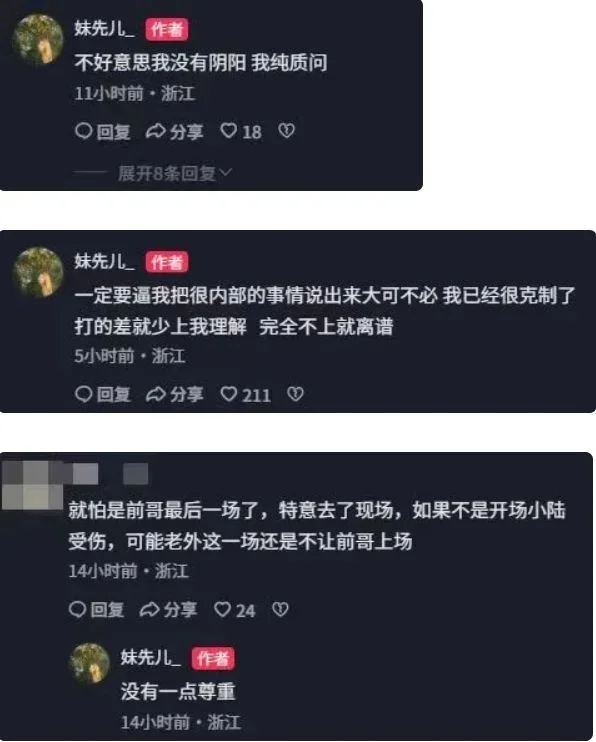
The online community split into two camps. Some sided with the family, arguing that a veteran of Wu Qian’s stature deserves at least a few minutes of playing time as a sign of respect, even if his form has dipped. Others countered that respect has to be earned on the court, not demanded by relatives, and mocked the idea of a max-contract player sitting on the bench while his wife complains about his role.
In reality, this is a classic case of both sides having valid points. The club, focused on winning in the playoffs, likely took a purely utilitarian approach—play the guys who are performing best, regardless of seniority. Wu Qian’s wife, on the other hand, is simply defending her husband, focused only on the perceived injustice of his benching, without considering the ruthless logic of professional sports.
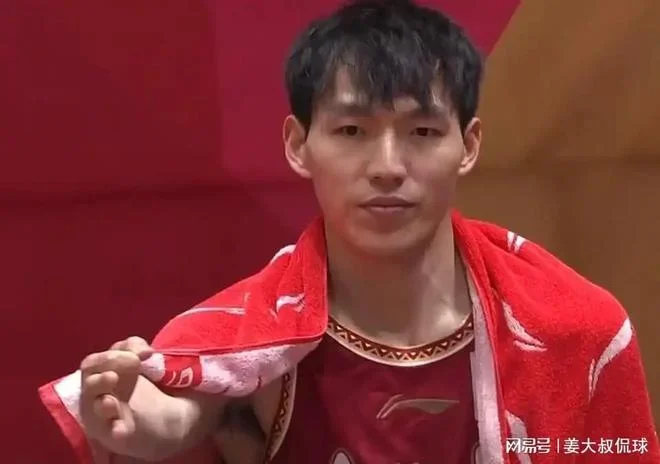
The most unfortunate figure is Wu Qian himself. Caught between a team he has served for years and a wife sticking up for him, he’s in a tougher spot than any overtime game. As fans joked, “His wife speaks for him, but he probably has to tell her to calm down—talk about being stuck in the middle.”
Ultimately, the CBA is about more than just wins and losses; it’s also about relationships and respect. The club could have offered a small gesture of appreciation for a loyal veteran, while the family might have shown more restraint. Dragging internal issues into the public eye only makes things harder for Wu Qian. As for those hinted-at “internal secrets,” fans are just enjoying the spectacle—exposing them would likely hurt everyone involved. This drama is less a family-versus-club feud and more a small collision between the old-school values of loyalty and the cold realities of winning. It’s entertaining, but not worth taking too seriously.
